

 Exchange Rate
 Chat to Support

 ភាសាខ្មែរ


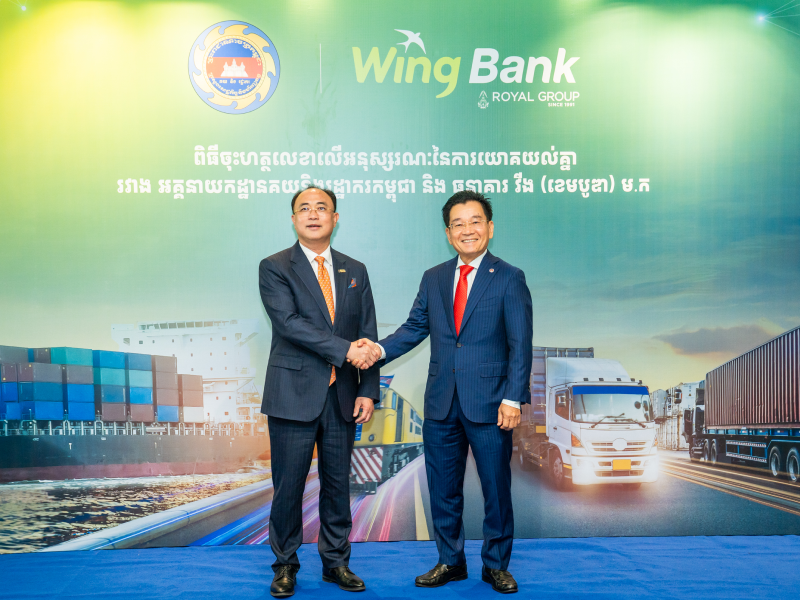
Neak Oknha Kith Meng and H.E. Dr. Kun Nhem shake hands during the signing of an MoU
on 5 December 2025.
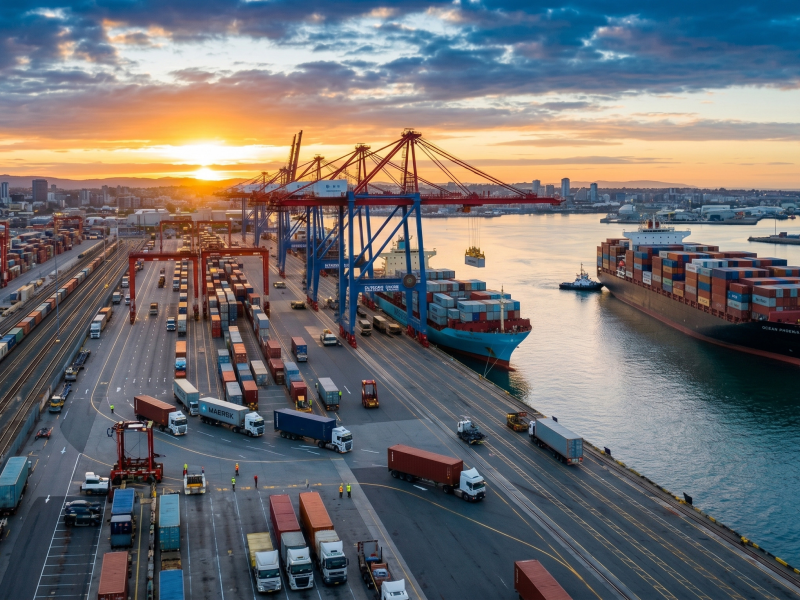
Cambodia’s growing participation in regional and global trade is creating new opportunities for businesses across a wide range of industries. Manufacturers are importing raw materials to support production, distributors are sourcing products from international suppliers, and retailers are expanding product offerings to meet increasing consumer demand.
As trade volumes continue to rise in Cambodia and across ASEAN member countries, businesses are placing greater focus on ensuring that goods move efficiently through the supply chain. From production planning and inventory management to delivery schedules and customer fulfillment, every step depends on the smooth movement of goods across borders. Effective trade facilitation and compliance with customs regulations, including timely payment of import duties and tariffs, are essential to maintaining operational flow and meeting market demands.
Growing Trade Underscores the Need for Customs Readiness
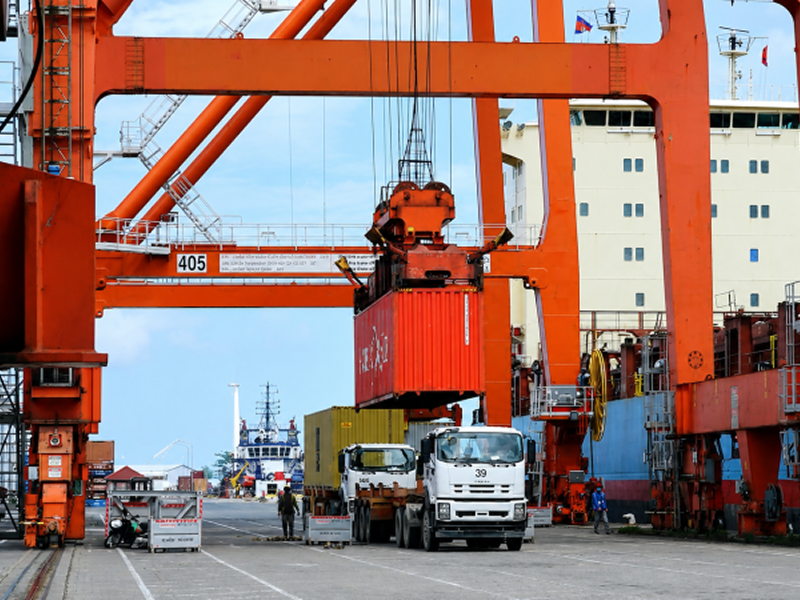
As more goods move across borders, customs clearance has become an increasingly important part of business operations. The speed at which goods are processed and released can directly affect inventory levels, production schedules, delivery timelines, and customer satisfaction.
Overseen by the General Department of Customs and Excise of Cambodia (GDCE), Cambodia’s customs system plays a vital role in facilitating legitimate trade while ensuring compliance with national regulations. In recent years, customs procedures have become increasingly digital and streamlined, enabling traders to complete declarations and payments more efficiently.
At the same time, businesses are expected to meet higher standards for documentation, customs declarations, and regulatory compliance. For companies entering international trade for the first time, understanding and preparing for these requirements can be a learning process. As Cambodia strengthens its role in regional and global supply chains, customs readiness has become more than a compliance requirement, it is now an important factor in maintaining business efficiency and competitiveness.
For many businesses, customs readiness also means being prepared for the financial obligations associated with importing goods. While demand for products may be strong and customer orders already secured, customs duties and related charges must typically be paid before goods can be released.
GDCE Introduces Solutions to Support the Trading Community
This creates a common challenge for many importers. Customs duties, taxes, and related charges are often due before businesses receive revenue from the goods they are importing. For SMEs and growing companies, this timing gap can place pressure on working capital and day-to-day operations.
Consider a company importing products to fulfill confirmed customer orders. Although business opportunities are already in place, the shipment cannot move forward until customs obligations are settled. At the same time, the company must continue managing payroll, transportation costs, inventory purchases, and other operational expenses.
“For many businesses, the challenge is not a lack of revenue, but the timing gap between when customs duties are due and when income from imported goods becomes available. Through our collaboration with the GDCE, we aim to help traders manage this gap more effectively so they can clear goods on time, preserve working capital, and focus on growing their businesses,” said Chea Marat, Head of Business Development at Wing Bank.
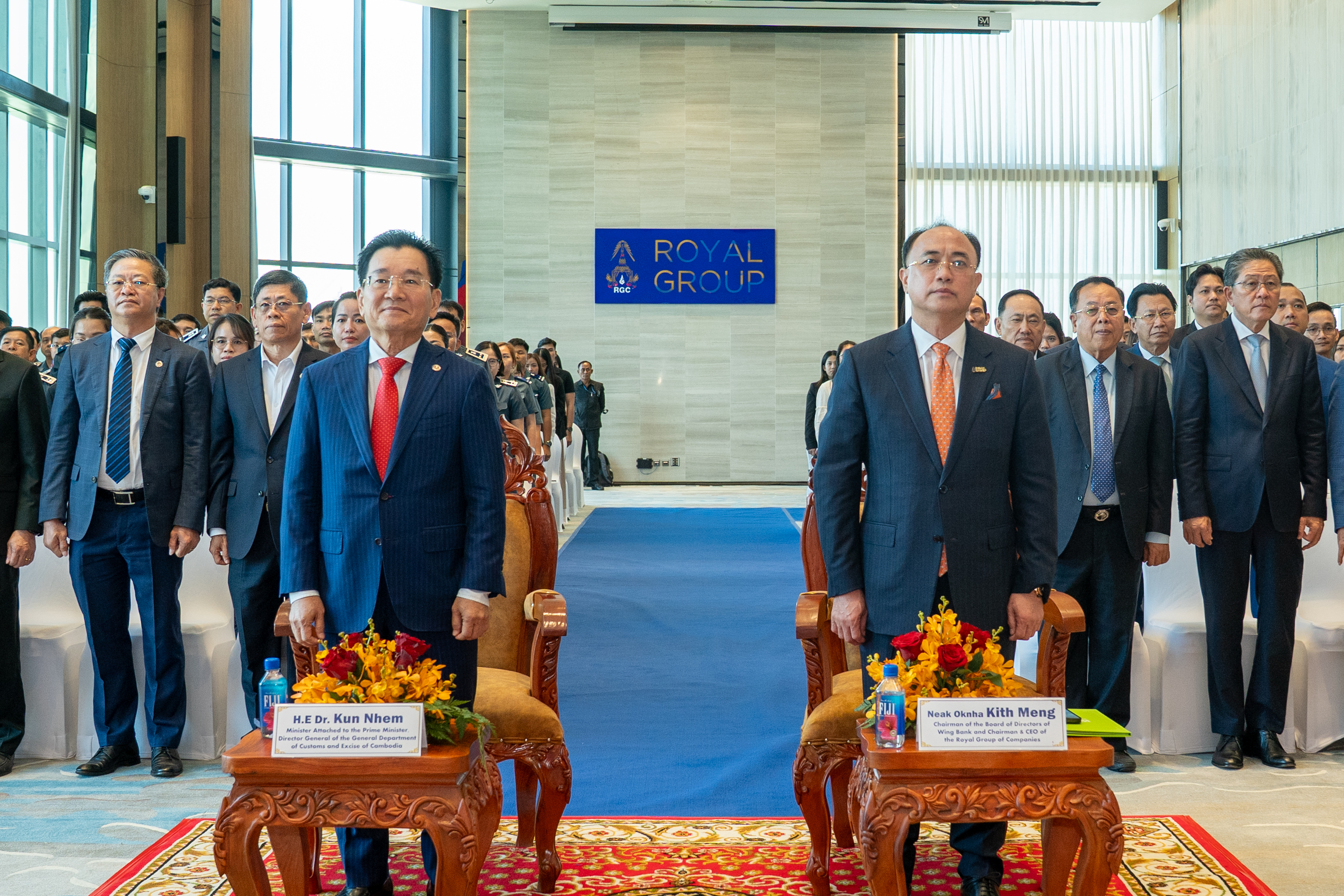
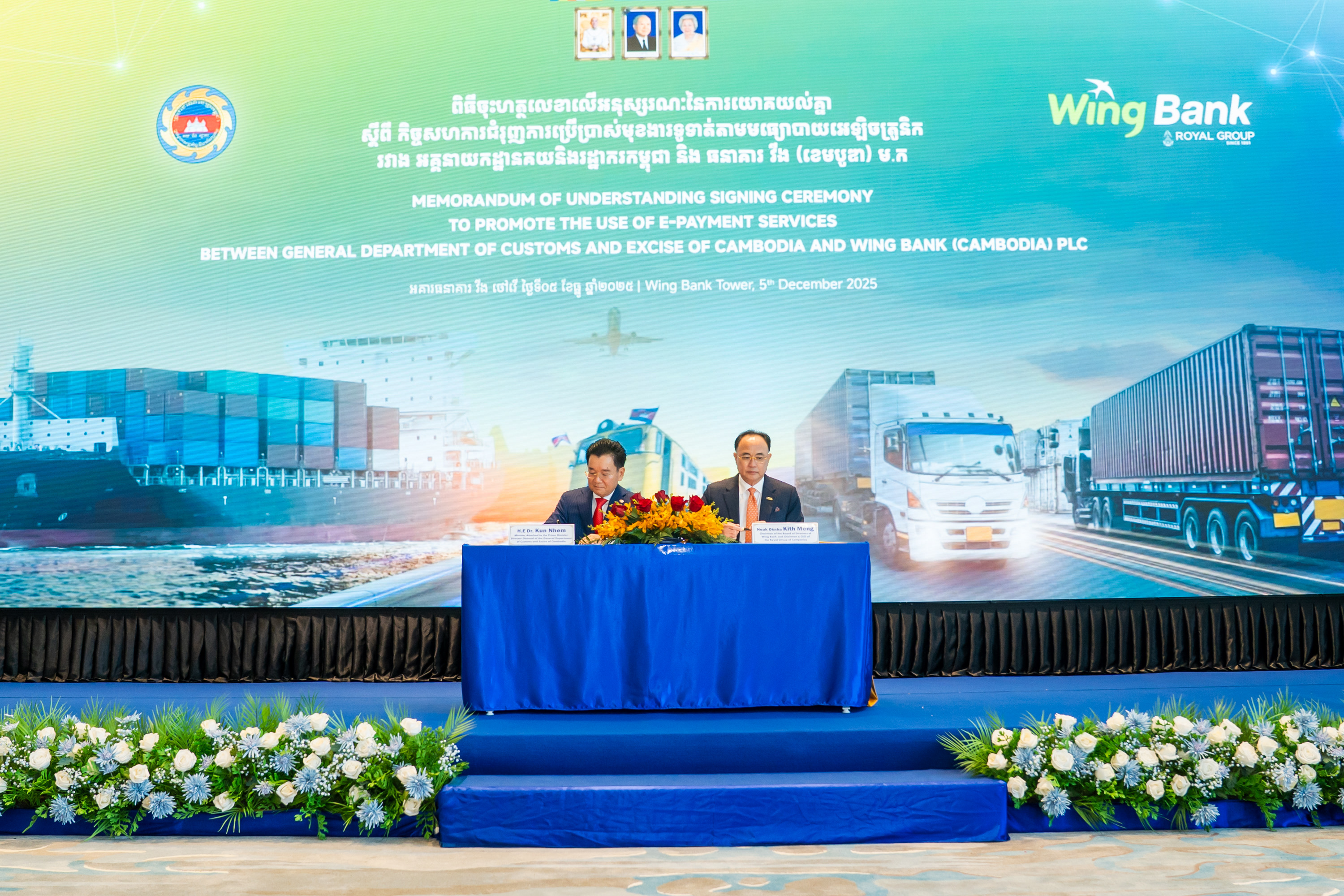
Recognizing the challenges faced by businesses engaged in international trade, an MOU signed between the GDCE and Wing Bank led to the introduction of GDCE Services. The initiative aims to help importers, exporters, logistics companies, and freight forwarders meet customs-related payment obligations with greater flexibility, enabling them to maintain healthy cash flow, keep goods moving efficiently, and focus on growing their businesses.
Through the program, qualified businesses may access credit facilities and bank guarantees of up to USD 5 million, with financing tenors of up to 12 months, seven calendar days of interest-free financing from the loan disbursement date, and selected fee waivers. These benefits provide businesses with greater flexibility to meet customs obligations while maintaining liquidity for daily operations and future growth.
By helping businesses bridge the gap between customs payments and incoming revenue, the GDCE Services support smoother customs clearance, stronger cash-flow management, and more efficient trade operations.
As Cambodia continues strengthening its position as a regional trading hub, initiatives that enhance customs readiness and facilitate trade will play an increasingly important role in supporting business growth, improving competitiveness, and keeping goods moving efficiently throughout the economy.
For more information about Wing Bank's customs-related GDCE financial solutions, visit any Wing Bank branch, call 023 999 989, or visit wingbank.com.kh.


 Support