


 Exchange Rate
 Chat to Support
 ភាសាខ្មែរ


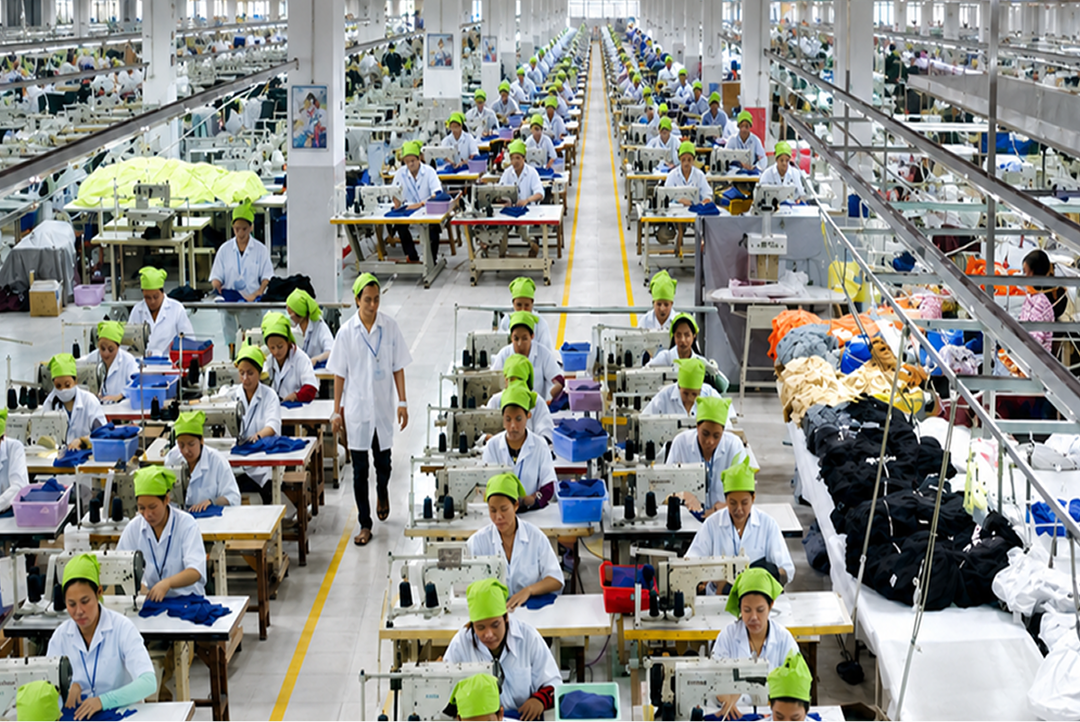
Cambodia's garment, footwear and travel goods (GFT) sector continues to generate significant demand for raw materials, production inputs and machinery. GFT exports reached approximately US$2.59 billion in the first two months of 2026, up 6.19% year-on-year, according to figures cited by the Textile, Apparel, Footwear & Travel Goods Association in Cambodia (TAFTAC).
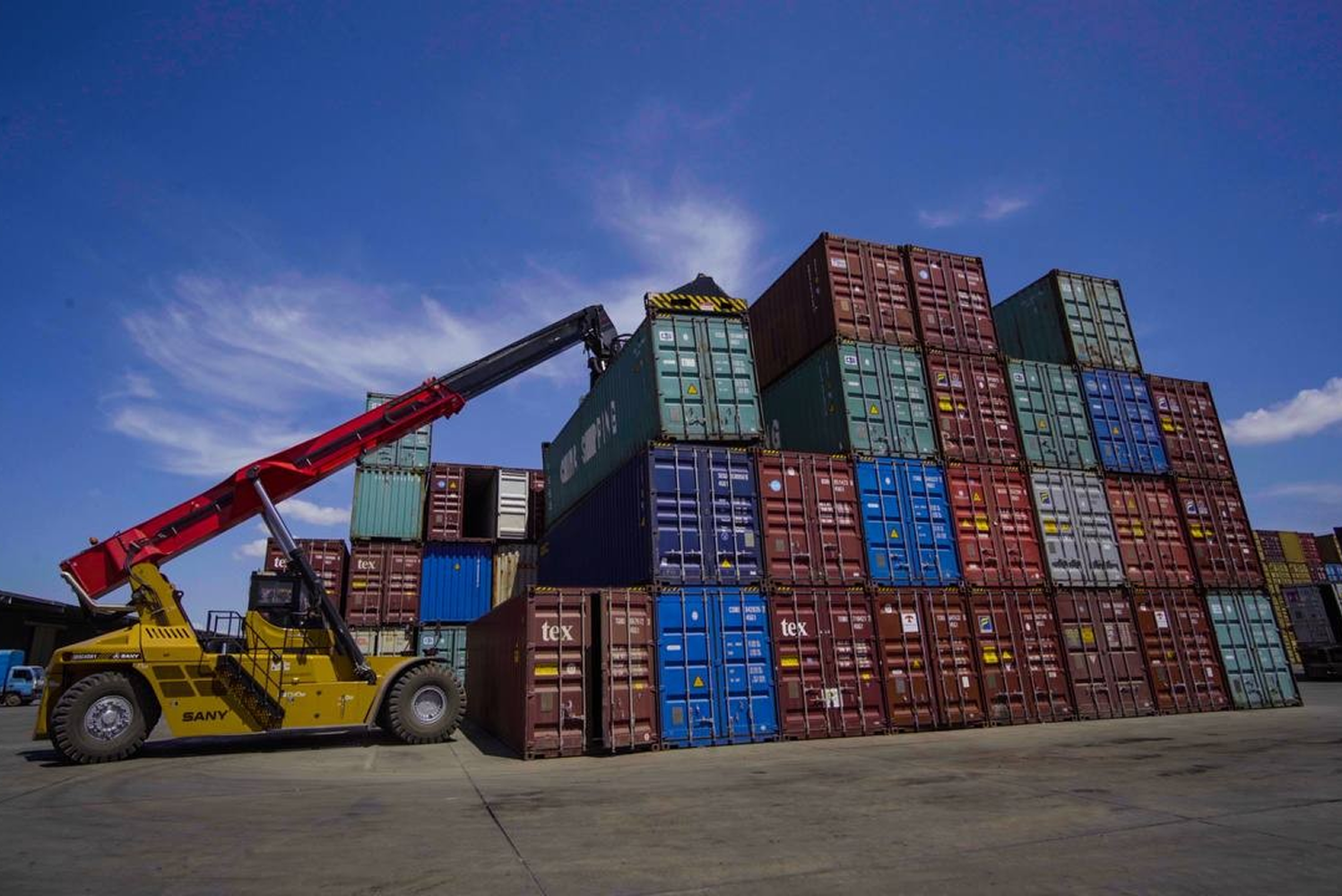
Overall imports are also increasing. In the first four months of 2026, the country imported US$12.26 billion worth of goods, up 18.3% year-on-year, according to the General Department of Customs and Excise (GDCE), with raw materials for manufacturing among the country's major imports.
For garment factories, reliable access to imported fabric, yarn, accessories, packaging, machinery and spare parts remains important for keeping production on schedule.
A Good Payment Plan Should Still Leave Room for Change
The original payment choice may not always be the best financial choice when the payment becomes due. Payment timing can change when multiple raw-material shipments arrive within the same period, an essential machinery part requires an earlier-than-planned import, or customs payments fall due alongside supplier and production commitments.
When this happens, businesses can reassess whether using available cash remains the most appropriate option or whether short-term financing provides greater flexibility.
What matters is whether the planned payment method still makes financial sense when the payment is due.
Smart Financing Adds Another Payment Option
Financing and payment arrangements are typically prepared from the early stages of production planning. Smart financing adds another choice. When shipment timing, production requirements or payment priorities change, businesses can reassess whether the original funding method remains suitable or whether an alternative financing option better supports their current needs.
“Garment factories already plan their raw-material purchases, production schedules and payments carefully,” said Chea Marat, Head of Business Development at Wing Bank. “Smart financing is not about replacing that plan. It is about having another option when circumstances change. If shipment timing or payment priorities shift, businesses can reassess the payment method based on their current production and financial needs.”
Keep the Financing Decision Flexible
Wing Bank’s GDCE Financial Solutions include a Business Line of Credit and Bank Guarantee facilities for eligible customs-related requirements.
Businesses may access a Secured Business Line of Credit of up to US$5 million at 7.5% per annum or an Unsecured Business Line of Credit of up to US$500,000 at 8.5% per annum. Financing tenors are available for up to 12 months, with the first seven calendar days interest-free from each loan disbursement date. The 0.5% approval fee is waived for customers who opt to use Wing Bank Payroll Service.
For qualifying customs-related requirements, businesses may also access a Secured Bank Guarantee of up to US$5 million or an Unsecured Bank Guarantee of up to US$500,000, with an issuance fee of 0.6% per annum and waived cancellation fee.
Request a meeting with a GDCE specialist: https://bit.ly/4zqE7is
For more information about Wing Bank's GDCE Financial Solutions, visit any Wing Bank branch, call 023 999 989, or visit https://www.wingbank.com.kh/en/form/trade-finance



 Support