

 Exchange Rate
 Chat to Support

 ភាសាខ្មែរ


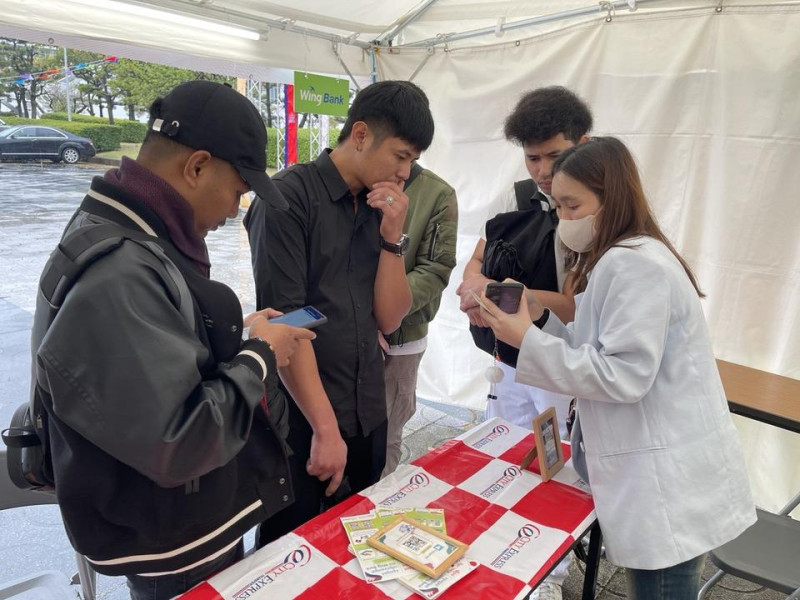
Ly Srey Neang recalls having to spend the day at the bank to receive her parents’ earnings from South Korea, but now things have changed. As Cambodia embraces a cashless society, migrant workers are using digital bank accounts wallets to settle family debt and medical bills in real time, with the instant transfers becoming a vital lifeline for overseas workers, offering a secure way to pay the medical bills and debts that forced them abroad.
Migrant in South Korea
Srey Neang is the third child of six siblings and is tasked with looking after her younger siblings and her family’s wealth after their parents left Cambodia to work in South Korea in 2015.
The 35 year-old’s parents decided to stay with her older sister in South Korea to work in agriculture to earn money to support their family in Cambodia and pay off their bank debt.
“My parents decided to go because we hoped that by working abroad we will get more money to pay the bank debts. We are in debt, so that’s one reason we thought we needed to earn more money,” Srey Neang said.
She said in Cambodia, her parents were unable to find jobs to earn more money to pay off their debts. As her oldest sister has a husband in South Korea, her parents thought the only way to survive is to leave their homeland and seek employment abroad.
Srey Neang said that after working in South Korea for nearly three years, her parents added that after her parents were able to pay off the family’s bank debts.
“My parents got money to build a house for their children and buy land for each child when they get married, but at that time it was so hard to earn money to pay for the bank because we earned less,” Srey Neang stressed.
Digital transformation
Regarding bank withdrawals, Srey Neang said that before she found it hard to receive money sent from her parents abroad because it involved lengthy queues at the bank and a lot of paperwork.
“Before, when my parents and uncle wanted to send money, I needed to spend nearly half a day standing in line waiting to receive money. Sometimes it demands more, including passwords, ID cards and other documents,” she said.
However, since using the Wing bank transfer option, the moneymoney transfers can take place with the click of a few buttons using smartphones, making the process much easier.
Migrant worker in Japan
Horn Mao, 28, a Cambodian worker in Japan since 2022, decided to seek employment in Japan because he wanted to learn something new and expand his skillset beyond what he had learned in Cambodia.
In Cambodia, he worked as a photographer and videographer, and after graduating from a Bachelor’s degree in information technology, he decided to move to Japan armed with ambitious expectations about the developed country.
“When I went, I just wanted to learn some new experiences to improve my skills, as we know Japan is a modern country that I had planned to visit when I was in Cambodia. But after I arrived it was not the same as what I expected,” Mao stressed.
“Everyone comes to Japan for a personal purpose. For me, I came to learn, but in reality we were in the countryside. It was different from what we expected and the skills I wanted to learn were far away from where I lived.”
Despite his location in Japan not living up to his expectations, Mao continued his studies before deciding to seek employment in construction to support his daily living costs.
“Working here is not like in my country [Cambodia]. They always respect time. How many days you have to work in a week. How many hours you work in a day. They have their rules,” he said.
“When we came here, it was not what we expected. First of all, the salary was not very high (the Japanese currency was depreciating). So everyone who came to work in Japan in 2022 until now, it’s very hard to live.”
However, despite this, Mao continues to work hard to ensure he earns enough money to be able to send some of his wages to his family back home in Cambodia. He added that sending money to Cambodia has become easier in recent years due to digital advances.
Previously, he had to transfer money through the company that organised his employment, stating that the process was complicated and slow.
“Nowdays it is easier than before. I changed to a new card. When I want to send money to my relatives in Cambodia, we add how much money we want to send and get an alert notification to know how much money we sent. It is faster than before,” Mao, who plans to return to Cambodia in three months, mentioned.
“It's easier because we put money on the card, and if in Cambodia you have a bank account, we can transfer it through that, so it's easier.”
Bridging Families Through Digital Finance
Wing Bank has been strengthening financial connections between Cambodians abroad and their families at home by partnering with leading global money transfer providers. Through these strategic collaborations, Cambodians overseas can open a Wing Bank account and transfer funds directly and reliably to Cambodia.
Powered by a fully digital platform, Wing Bank delivers fast, secure, and seamless cross‑border transactions. Funds sent from partner banks are credited instantly to Wing Bank accounts, giving recipients immediate access to their money. Families can confidently use these funds to pay utility bills, school fees, loan repayments, and other expenses—anytime, anywhere.
“We understand how important it is for Cambodians working overseas to stay connected with and support their families back home,” said Wing Bank Deputy CEO Bunthe Hor.
“Our focus is on giving them the confidence that every transfer reaches their loved ones quickly and securely. By partnering with global financial leaders and leveraging digital technology, we are breaking down cross‑border barriers and enabling faster access to the essential financial services that families in Cambodia rely on every day.”
Wing Bank continues to expand its global financial network through partnerships with industry leaders including Western Union, MoneyGram, GME, GmoneyTrans, E9 Pay, City Express, Mastercard, Visa, WeChatPay, Ria, UnionPay, and more.
These partnerships enable Cambodians working in key markets such as the United States, South Korea, and Japan to open Wing Bank accounts and actively manage household finances in Cambodia via Wing Bank’s mobile applications.
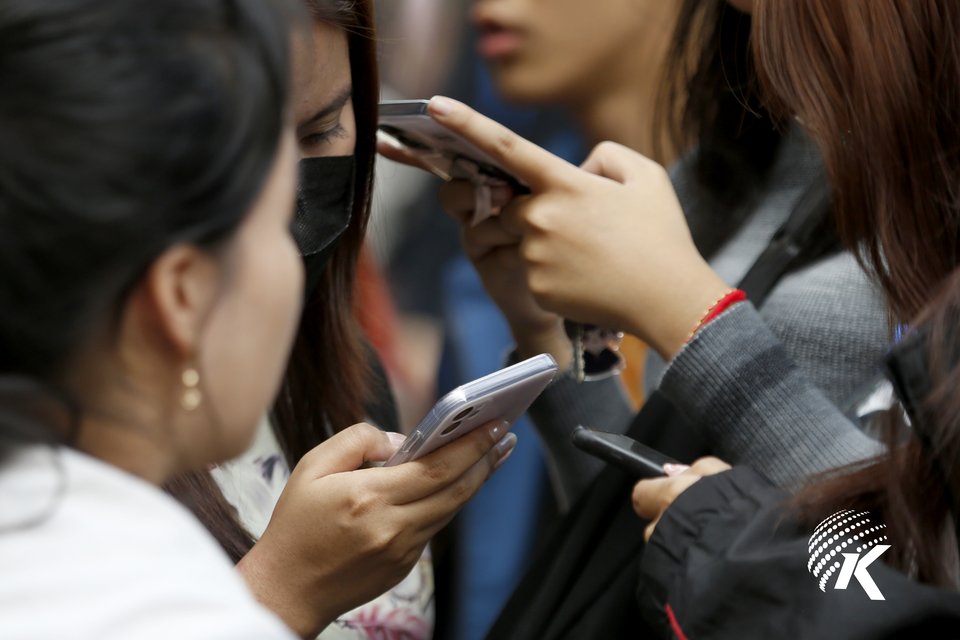
Through its digital‑first banking model and global partnerships, Wing Bank is redefining cross‑border banking—delivering speed, security, and convenience while advancing financial inclusion for Cambodian families worldwide. Cambodians abroad who open a Wing Bank account can also earn up to a 3% annual interest rate on their savings if their balance is more than USD 5,000.
Heng Sour, Minister of Labour and Vocational Training (MLVT), said during MLVT’s Annual Conference to Summarise Results in 2024 and Set Direction for 2025, more than 1.38 million Cambodian workers living and working abroad generated an income of over $5 billion, with remittance of nearly $3 billion, in 2024.


 Support