

 Exchange Rate
 Chat to Support

 ភាសាខ្មែរ


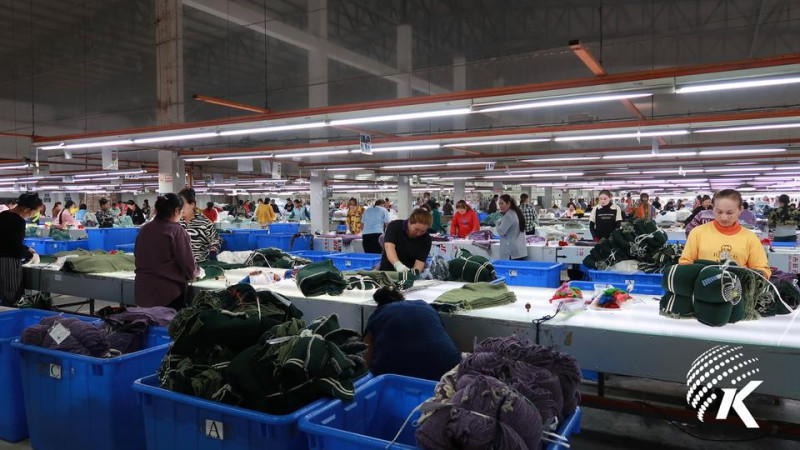
As Cambodia’s trade continues to expand, businesses are realizing that success in global markets depends not only on securing buyers or suppliers, but also on choosing the right payment structures. In cross-border transactions, a delayed payment or dispute can quickly turn a profitable deal into a financial strain, especially for companies working with new partners or unfamiliar markets.
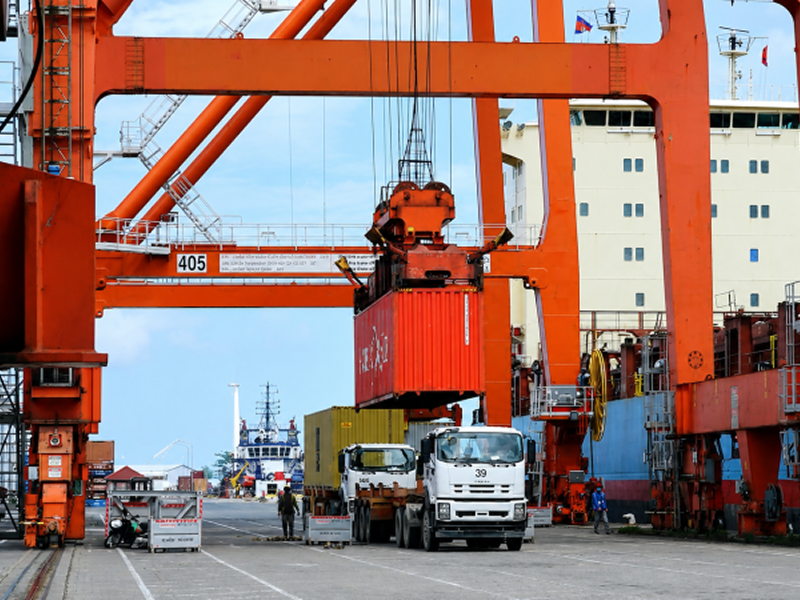
Cambodia’s trade momentum remains strong. According to the General Department of Customs and Excise, total trade reached $23.38 billion from January to April 2026, up 19.9 percent compared to the same period last year. This momentum follows 2025 when total trade value reached $65.2 billion, an 18.18 percent increase from 2024 despite global economic uncertainty and regional challenges.
With rising trade volumes comes greater exposure to risk. The WTO estimates that trade finance supports as much as 80 to 90 percent of international trade. Payment terms, often treated as a routine detail, are now critical business decisions. The right structure helps protect cash flow and margins, secures payments and deliveries, and provides liquidity between production, shipping, and payment, while the wrong choice can lead to delays, disputes, or non-payment. Every trade transaction involves balancing three key factors: cost, risk, and control.
The challenge for businesses is finding the right balance based on their transaction size, partner reliability, and market conditions. Trade finance provides the credit, payment guarantees, and insurance needed to support international transactions.
Open Account: Low Cost, Higher Trust
Open account terms are among the simplest and most cost-efficient options, with goods shipped before payment is due, often in 30, 60, or 90 days, making the arrangement attractive to the buyer but riskier for the seller. Commonly used between long-term partners, this approach supports faster transactions and lower banking costs, but it places greater payment risk on the seller.
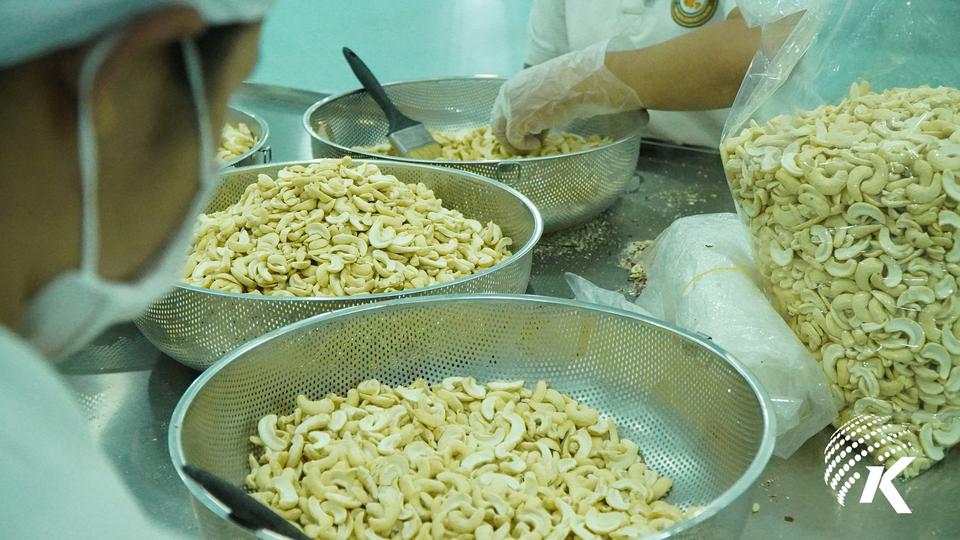
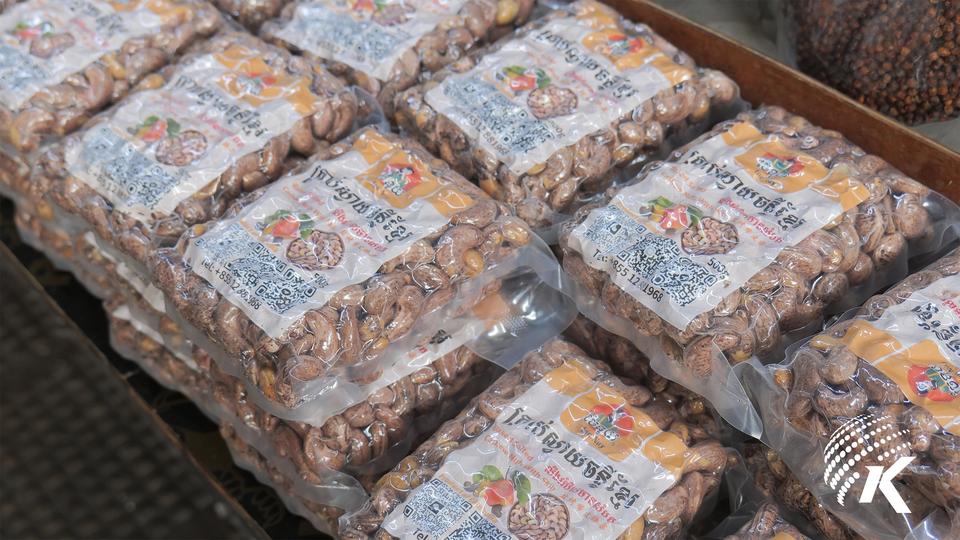
Suy Kokthean, Vice President of the Cashew Nut Association of Cambodia (CAC), noted that many exporters continue to rely on trust-based arrangements.
“Cambodia’s cashew exporters mainly partner with Vietnamese importers, and the payments are made solely on trust. They exchange goods at the border and make payment there,” he said.
While this practice simplifies trade, it can expose both parties when trust weakens.
“Till today, there is still the case that both parties defraud each other,” he added.
His comments highlight the trade-off: while open accounts work well for established relationships, they offer limited protection and can create cash flow pressure for exporters when payment issues arise. The association has therefore encouraged businesses to adopt more formal, bank-supported payment methods to support sustainable growth and attract international partners.
Documentary Collection: More Structure, Limited Guarantee
For businesses seeking more balance, documentary collection provides a middle-ground solution.
Banks act as agents for exporter facilitate the exchange of shipping documents and payment instructions in accordance with international recognized standards, Uniform Rules for Collections (URC522), ICC publication No. 522, improving control and reducing misunderstandings. However, banks do not guarantee payment. This method is often suitable when there is a moderate level of trust between trading partners, transaction values are mid-sized, and businesses seek greater discipline in their processes without incurring higher costs.
Telegraphic Transfer (TT): Faster Payment, Trust Based Risk
Many businesses use telegraphic transfer (TT) for its speed and flexibility, particularly when partial upfront payment is required and the balance is settled after shipment.
Khuon Boralin, Overseas Export Manager at TL Agri Food Import Export Co Ltd, explained, “The payment is usually made after the goods arrive at the destination port, which means our working capital depends heavily on shipping time,” she said. “If the shipment arrives quickly, we receive payment faster. But if there are delays, the payment is delayed as well.”
While TT helps maintain cash flow, it remains largely trust-based. Banks facilitate the transfer but do not guarantee payment or verify shipment conditions. As a result, either party may face risk depending on the arrangement.
Boralin noted that her company sometimes requests Letters of Credit (LCs) for added security, though clients often prefer TT to avoid additional costs. “We also ask for LCs from our partner as we want to guarantee the payment and working capital, but the clients request TT payment [settlement] as they don’t want to pay additional banking fees,” she said.
Speaking to Kiripost, James Chan, Trade Finance Sales and Advisory Director at Wing Bank, emphasized that many businesses misunderstand TT payments as a payment structure rather than a transfer method. “TT is only a wire transfer made through the SWIFT system. While banks facilitate the transfer, they do not assume transaction risks,” he explained.
Chan viewed these payments as carrying risks for either trading partner because they still depend heavily on trust. “Both TT and Open account methods depend heavily on trust between business partners, but one side usually carries greater risk,” he said.
Letters of Credit: Stronger Protection for Both Sides
For larger or more complex transactions, businesses often rely on Letters of Credit (LCs) for greater security. By providing bank-backed payment assurance tied to shipment documents, LCs reduce reliance on trust and help protect both buyers and sellers, especially in new or higher-risk trade relationships.
James Chan, Trade Finance Sales and Advisory Director at Wing Bank, said, “In first-time business relationships, Letters of Credit is highly recommended because it is governed by international rules Uniform rules for Custom and Practice for Documentary Credits (UCP600), ICC publication No. 600, and International Standard Banking Practices (ISBP812), ICC publication No. 812, which help protect both buyers and sellers throughout the transaction process.” He added,
“At Wing Bank, we help businesses evaluate payment structures based on transaction size, partner relationships, and operational needs. The goal is not only to complete transactions, but also to help businesses protect their margins and grow more confidently in international markets”.
As part of its efforts to make trade finance more accessible, Wing Bank is also offering businesses up to 50 percent savings on selected trade finance services through a promotional campaign. The campaign includes free issuance fees during the first month, reduced charges for Letters of Credit, Bank Guarantees, and Documentary Collections, as well as waived document handling fees.
“These services are delivered in full compliance with international banking standards, ensuring that our clients trade with confidence, certainty, and credibility,” Mr. Chan said.
He added that handling trade transactions independently can expose businesses to operational mistakes, document disputes, payment delays, and financial risks. By acting as a trusted intermediary with reliable systems and professional expertise, Wing Bank helps businesses reduce those risks while improving efficiency throughout the trade process. In practice, businesses can apply a simple approach: smaller transactions with trusted partners may rely on open account or TT, while larger deals, new relationships, or higher-risk markets are better supported by more structured solutions such as documentary collections or Letters of Credit.
Balancing Cost, Trust, and Protection
As Cambodia integrates further into global supply chains, payment decisions are no longer just operational, they are strategic.
The most successful businesses are not those choosing the lowest-cost option, but those making smarter decisions that balance cost, risk, and control. Businesses seeking the right balance between cost, risk, and control can contact Wing Bank for a quick and easy recommendation tailored to their trade needs.
This article was originally published by Kiripost.


 Support