

 Exchange Rate
 Chat to Support

 ភាសាខ្មែរ


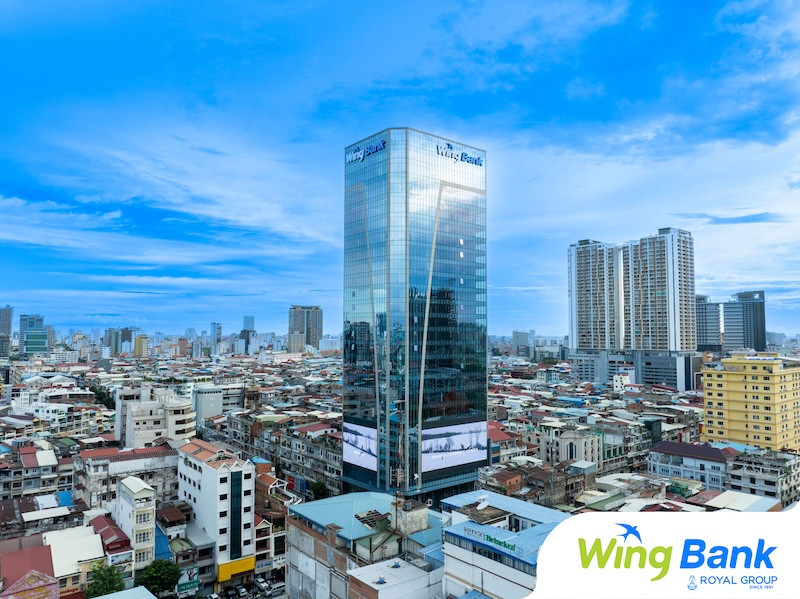
A mid-sized Cambodian contractor wins a government infrastructure contract worth millions. The excitement is immediate, but so are the demands. Steel must be sourced from China, equipment from Vietnam, subcontractors require deposits and workers expect payroll, all before the first progress payment arrives.
International trade adds another layer of complexity, from geographic distance and regulatory differences to currency risks. For many contractors, this is where opportunity quickly turns into pressure.
As Cambodia expands its infrastructure investment, projects are growing larger and more complex. At the same time, financial requirements are becoming more demanding, placing increasing pressure on working capital and cash flow.
Trade finance is playing an increasingly important role in managing this challenge. Supporting up to 80 to 90 percent of global commerce, it provides structured solutions such as financial guarantees and letters of credit that help businesses manage risk and keep transactions moving.
According to the National Bank of Cambodia, demand for trade finance is increasing alongside the country’s economic growth and expanding trade activity. In practice, financial guarantees such as performance bonds and advance payment guarantees have become common requirements in many infrastructure contracts. However, when not structured efficiently, they can tie up significant working capital, creating pressure at the very moment businesses pursue new growth opportunities.
In this environment, without the right financial structure, winning a bid can strain liquidity before a project even begins.
Zaneth Lai, Vice President of the Cambodia Investor Contractor and Architect Association (CICAA), said the sector has evolved rapidly alongside Cambodia’s economic growth and increasing foreign investment.
“Delayed payments from project owners remain one of the most common challenges, placing strain on working capital and daily operations,” he said.
Contractors Struggle with Cash Flow Pressures
Despite growing opportunities, contractors face persistent financial challenges. Tight margins and rising costs make it difficult to balance payroll, procurement and project execution, especially for small and medium-sized firms.
Costs are immediate, while revenues are often delayed. This mismatch creates a funding gap that can slow project progress or limit a company’s ability to take on new contracts.
Many businesses are left with a difficult choice: preserve cash flow for operations or pursue new opportunities that require additional financial commitment.
While other trade finance tools exist, contractors are increasingly prioritising solutions that directly address upfront project requirements.
Building Confidence Through Financial Guarantees
Financial guarantees are emerging as one of the most effective tools to bridge this gap.
Advance Payment Guarantees, in particular, allow banks to provide assurance to project owners, enabling contractors to access advance funds without locking up their own capital. This helps businesses mobilise faster, maintain liquidity and execute projects more efficiently.
At the same time, guarantees strengthen trust between stakeholders by reducing financial risk and reinforcing confidence in project delivery.
“It enhances trust between stakeholders and contributes positively to a contractor’s reputation,” Lai added.
In a competitive market, this credibility can be a decisive advantage.
Supporting Growth with the Right Financial Partner
As these needs grow, banks are playing a more strategic role in supporting construction and infrastructure businesses.
“Contractors need more than financing; they need practical solutions aligned with project delivery,” said Chan James, Trade Finance Sales and Advisory Director at Wing Bank.
Wing Bank offers tailored trade finance solutions, including advance payment guarantees, performance guarantees, bid bonds, letters of credit and working capital support designed to meet contractors’ operational needs.
“Through bank guarantees and working capital support, we help businesses meet contract requirements while maintaining flexibility to manage operations.”
With the right financial structure in place, contractors can reduce pressure on cash flow, improve efficiency and scale with greater confidence.
Improving Financial Access
The National Bank of Cambodia notes that rising demand for financing reflects the continued growth of the country’s financial sector alongside sustained economic expansion and ongoing reforms under the Financial Sector Development Strategy 2021–2030.
In response, Wing Bank is offering a limited-time promotion with issuance fees of 0.6 percent per annum on bank guarantees and letters of credit with no minimum charge, along with waived handling fees on selected services.
As Cambodia accelerates its infrastructure development, effective cash flow management is becoming just as important as winning projects.
Contractors seeking to optimise working capital and structure the right guarantees can contact Wing Bank for a quick and easy recommendation. For more information, Visit our official website at wingbank.com.kh, connect with us on our Facebook page (WingBankKH), or call us at 023 999 989. Leave your contact details and we will get in contact with you immediately.
Disclaimer: this article was originally published by Kiripost.


 Support