

 Exchange Rate
 Chat to Support

 ភាសាខ្មែរ


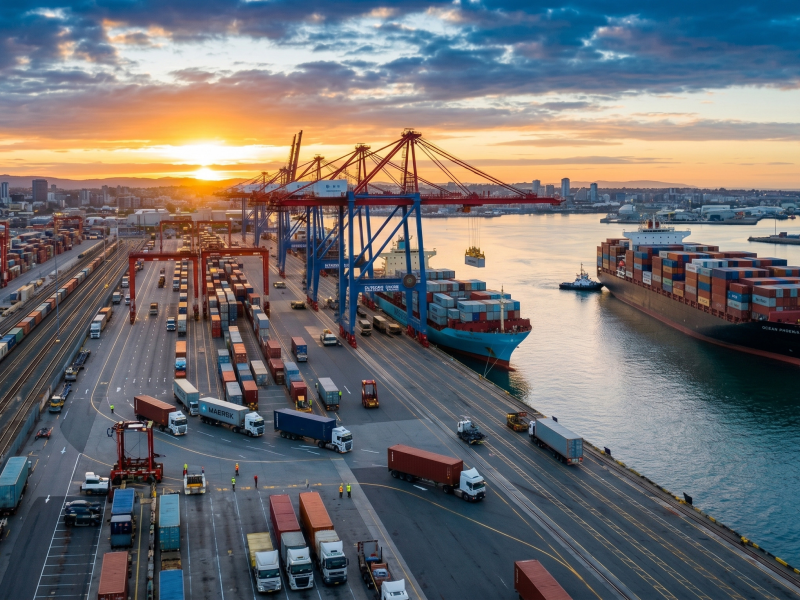
Many businesses are profitable on paper but run out of cash in practice. For growing businesses, this is often one of the least visible challenges behind success.
A company secures larger orders, expands its customer base, and enters new markets. Revenue grows, production increases, and goods move steadily across borders. From the outside, the business appears to be thriving. Yet growth often requires businesses to invest more cash before they receive returns. More inventory is needed, supplier commitments increase, and operating expenses rise alongside new opportunities.
In Cambodia's import and export sector, businesses are paying closer attention to the financial foundations behind their operations. Working capital is about more than meeting short-term expenses, it helps companies maintain business continuity, manage cash flow effectively, and prepare for future opportunities.
The Reality Behind Growing Businesses
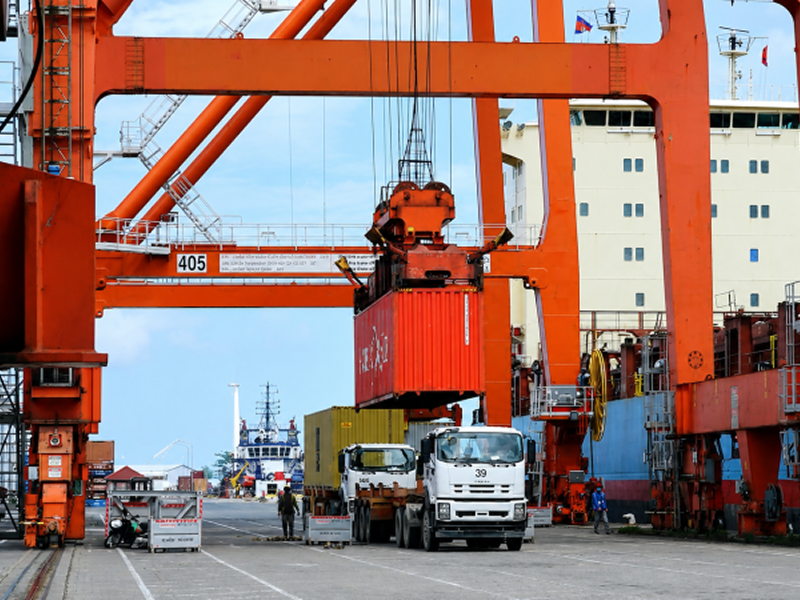
Every trade transaction involves a period between paying and getting paid. Manufacturers invest in raw materials before production begins. Importers must settle supplier payments and arrange logistics before goods arrive. Exporters often complete production and shipment long before payments are received from overseas buyers. Throughout this process, businesses continue to pay salaries, transportation costs, warehouse fees, and other day-to-day expenses.
For many businesses across Cambodia, customs requirements, documentation processes, and shipping schedules can further extend this cycle. Every additional waiting period means cash remains tied up for longer, creating financial pressure even when sales remain strong.
Working capital is typically tied up in three key areas, inventory, receivables, and payables. Inventory represents products that have yet to generate revenue. Receivables represent completed sales that are still awaiting payment. At the same time, supplier obligations and operating expenses often require immediate attention.
As businesses grow, these gaps can become larger. A bigger order may require more inventory, while new customers may request longer payment terms. Without careful planning, growth itself can place increasing strain on available cash.
Businesses that effectively manage these cash flow cycles are often in a stronger position to respond to market opportunities, maintain supplier relationships, and support long-term expansion with greater confidence.
Turning Growth into Sustainable Progress
This is where trade finance can make a meaningful difference. Trade finance helps businesses bridge the gap between outgoing payments and incoming revenue, allowing them to maintain momentum throughout the trade cycle. By improving liquidity and strengthening transaction security, businesses can continue operating efficiently while reducing unnecessary financial pressure.
Solutions such as Letters of Credit (LC), Bank Guarantees (BG), Trade Invoice Financing, and Account Receivable Financing can help businesses better manage import and export transactions while maintaining flexibility to support growth.
“Business growth creates opportunities, but it also increases the demand for working capital,” said Chan James, Trade Finance Sales and Advisory Director at Wing Bank. “Businesses that manage inventory, payments, receivables, payables, and risk mitigation efficiently are often better prepared to pursue expansion and seize new opportunities with confidence.”
As businesses scale their operations, the ability to access timely financial support becomes increasingly important. Wing Bank offers a range of trade finance solutions that help businesses manage working capital more effectively, strengthen payment security, and maintain the flexibility needed to support both daily operations and future growth.
As part of its commitment to supporting Cambodian businesses, Wing Bank is currently offering a limited-time promotion with issuance fees from just 0.6% per annum for Bank Guarantees and Letters of Credit with no minimum fee requirement, together with waived handling fees for inward and outward bill collection (IBC/OBC) transactions.
Behind every shipment is a series of decisions that shape a business's future from purchasing inventory and managing supplier relationships to fulfilling customer commitments. When businesses have greater control over cash flow, they gain the flexibility to make those decisions with confidence and keep moving forward, long after the shipment has left the warehouse.
For more information on the Finance solutions, contact Wing Bank today. Visit any Wing Bank branch, call 023 999 989, or visit www.wingbank.com.kh.

 Support